

It was always a surprise to be in Vancouver’s downtown commercial areas and help tourists with directions in what would be the most blinding heat of a pre-Covid Vancouver summer.Tourists from the southern United States would almost universally respond how great it was to be out of the humid heat of their own hometowns.
Price Tags has already posted about the fact that projection models are showing the movement of millions of people to American northeast and northwest cities, with populations in places like Minnesota, Michigan and Vermont growing by ten percent. These areas will become more temperate and inviting. It’s expected that cities like Detroit, Rochester, Buffalo and Milwaukee will be sought after for relocating climate refugees for the “excess capacity in infrastructure, water supplies and highways”.
Access to fresh water, cooler temperatures and less fire hazards were perceived as priorities. Add in the need for Covid pandemic physical distancing, and some of that migration has already started.
In the Pacific northwest median sales prices in Bellingham Washington have increased 16.5 percent, and the number of homes sold has increased 26 percent. As one managing broker stated “People are relocating from areas like Seattle, Portland and California. I’ve helped several clients relocate from Seattle because they want to get out of the city.”
How far north will climate refugees travel to have “liveable” usable summers?
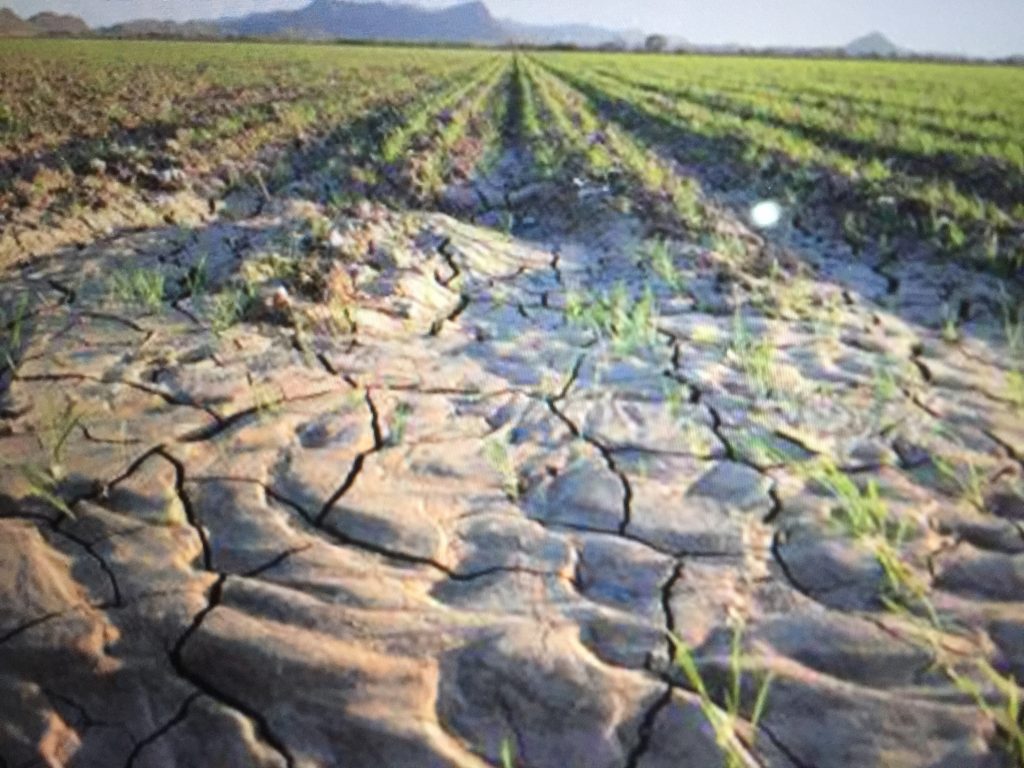
Propublica’s data in this article by L. Waldron and A. Lustgarten suggests that climate “damage” will mean that the southern third of the United States will become so hot it will disrupt the economy “erasing more than 8% of its economic output and likely turning migration from a choice to an imperative.”
“Wet Bulb” temperatures when deadly heat and humidity combine will be in effect for one day out of every twenty in Louisiana. It is estimated that Maricopa County in Arizona will have six months of temperature days over 95 degrees fahrenheit or 35 degrees celsius. Growing food will be challenging, and sea rise will transform the coast lines.
And there is a bigger question in the future of this climate refugee migration. Who will be migrating to a more temperate climate, and what happens to the people, due to economic or other factors, that are left behind?
Here is a short YouTube video that outlines Propublica’s findings.





